Anxiety in women means excessive worry, fatigue, insomnia and irritability. This condition is seen more in women than men. Causes most common are hormonal shifts, environmental stress, genetics and also past traumatic experiences. Its treatment includes therapy called CBT (cognitive behavioral therapy), taking medication like SSRIs, and having a healthy lifestyle, regular exercise and mindfulness can keep anxiety sorted.
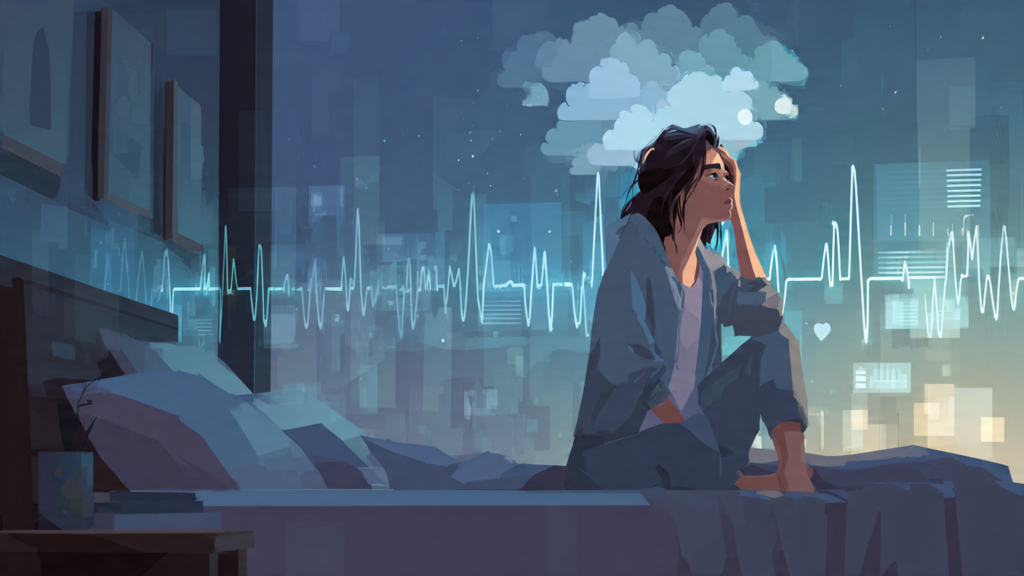
Let’s understand anxiety in women, as it is the first step towards managing it and improving quality of life, including awareness of different medicine types used for treatment, more information at midnightblueuk.
What are Common Symptoms of Anxiety?
Anxiety may manifest itself in various forms. There are emotional symptoms and those that deal with the body. Women can have both.
Emotional Symptoms
- Feeling worried or frightened.
- Feel restless or on edge.
- Irritability.
- A feeling of dread or danger.
Physical Symptoms
- Rapid heartbeat
- Shortness of breath
- Muscle tension
- Headaches
- Fatigue
- Trouble sleeping
In extreme cases some women experience panic attacks. These are sudden spells of extreme fear which may involve chest pain, light-headedness and lack of control. Panic attacks may be quite terrifying, despite being not life-threatening.
What are The Causes of Anxiety in Women?
It’s not a discrete medical condition, but builds gradually due to many factors including.
Hormonal Changes
Women have a significant influence on hormones in their mental health. Menstruation, pregnancy, puberty, and menopause can lead to changes in mood and anxiety levels. To illustrate, there are women who are more anxious during their period or during pregnancy.
Brain Chemistry
Neurotransmitters are chemicals in the brain that are involved in the regulation of mood and emotions. When these chemicals are in disequilibrium, it may enhance anxiety. Genetics has its part to play as well. You may be at a greater risk in case you have anxiety in your family.
Life Stress
Women tend to play various roles including caregiver, employee and partner. Handling such roles may cause stress and burnout. Anxiety can also be triggered by financial problems, relationship problems or significant changes in life.
Past experiences and trauma
Long-term anxiety can be caused by previous trauma like abuse or loss, or a severe accident. Females are predisposed to some forms of trauma and this may predispose them to a greater risk.
Social and Cultural Factors.
Women are expected to meet a lot of expectations in society. Stress may come in the form of pressure to appear in a particular manner, perform well in the workplace, or to hold onto relationships. Anxiety can also be increased through social media by promoting comparison and unrealistic ideals.

What are Treatment Options for Anxiety
The positive fact is that anxiety is curable. Numerous useful solutions can assist women in coping with the symptoms and gain control.
Therapy
Anxiety has one of the most effective treatments, therapy. Particularly beneficial is Cognitive Behavioral Therapy (CBT). It will show you how to recognize negative thinking patterns and substitute them with healthier ones.
Emotional support and coping skills can also be offered by conversing with a trained therapist.
Medication
Doctors can even prescribe medication so as to help manage anxiety in certain situations. This can be antidepressants or anti-anxiety medications. Medication may be used to equalize brain chemicals and alleviate symptoms.
One should not take any medication without consulting a health care practitioner.
Lifestyle Changes
How easy changes in lifestyle can work:
- Get some exercise: It will alleviate stress and make you feel better.
- Eat healthy: Healthy foods are beneficial to the brain.
- Get restful sleep: The amount of sleep per night ought to be 7-9 hours.
- Reduce caffeine and sugar: These may augment anxiety symptoms.
Relaxation Techniques
Meditation techniques may be used to relax the mind and body:
Deep Breathing
- Meditation/mindfulness,
- Yoga
- Progressive muscle relaxation
These methods can be practiced every day and can help us overcome anxiety.
Social Support
Discussion with friends, relatives or support groups can make you feel not alone. Being able to share your thoughts and feelings can ease stress and be comforting.
The establishment of a good relationship is a valuable aspect of dealing with anxiety.
When to Seek Help
Sometimes it is normal to be anxious. But once anxiety begins to disrupt your everyday life, then you should seek help.
Symptoms that you might require help are:
- Stress over weeks or months.
- Difficulty with everyday activities
- Avoidance because of fear
- Physical symptoms, without an apparent cause.
Symptoms can be prevented with early treatment.
In a nutshell, Women experience anxiety but it can not be overlooked. It may impact both the mental and physical health, yet there are effective approaches to treatments. Being aware of the symptoms, causes, and treatment opportunities, women will be able to make some steps to improve their mental health.
Getting support is a powerful and effective move, should you or a loved one be grappling with anxiety. Anxiety can be controlled with the proper support and a life full of life can be lived.
Faqs
What do women experience as the most common anxiety symptoms?
Women tend to worry too much, feel tired, irritable and have problems with sleeping. Physical symptoms are also typical such as rapid heart rate and tight muscles.
Why do women experience anxiety more than men?
Risk is increased by hormonal changes, social influences and increased exposure to some stressors. Genetics and brain chemistry also have a significant role.
Do women get rid of anxiety without treatment?
Lifestyle changes and stress management have the potential to improve mild anxiety. Nevertheless, their constant anxiety typically requires treatment or medication.
Which is the most effective anxiety treatment among women?
There are effective choices such as Cognitive Behavioral Therapy (CBT), medication, and lifestyle changes. It depends on the needs and symptoms of the individual to determine the best treatment.
At what point does a woman need assistance with anxiety?
Get assistance when anxiety persists over weeks, interferes with normal living, or involves