Panic Attacks vs. Anxiety Attacks: Symptoms, Causes & Key Differences
Mental health awareness is growing across the world, yet many people still confuse panic attacks and anxiety attacks. Both conditions involve intense fear and stress, but they are not the same. Understanding the difference can help people identify symptoms early and seek the right treatment.
According to global mental health research, over 300 million people worldwide live with anxiety disorders, making them one of the most common mental health conditions. In addition, studies suggest that 13% to 28% of adults experience at least one panic attack during their lifetime.
In this blog, we will explore the symptoms, causes, statistics, and key differences between panic attacks and anxiety attacks using simple and clear language.
What Is an Anxiety Attack?
An anxiety attack is a period of intense worry, fear, or stress that builds up gradually. It usually happens when a person feels overwhelmed by a stressful situation such as work pressure, financial problems, or personal conflicts.
Unlike panic attacks, anxiety attacks are not officially defined as a medical diagnosis in major psychiatric manuals. Instead, the term is commonly used to describe episodes of extreme anxiety linked to anxiety disorders.
Common Symptoms of Anxiety Attacks
Symptoms of anxiety attacks may include:
- Constant worry or fear
- Rapid heartbeat
- Chest tightness
- Difficulty sleeping
- Irritability or mood swings
- Muscle tension
- Trouble concentrating
- Fatigue
- Sweating
These symptoms may develop slowly over minutes or even hours as stress continues to build.
Duration of Anxiety Attacks
Anxiety attacks can last much longer than panic attacks. In some cases, symptoms may continue for several hours or even days, depending on the stress level and underlying anxiety disorder.
What Is a Panic Attack?
A panic attack is a sudden and intense surge of fear that happens without warning. It triggers strong physical reactions, even when there is no real danger.
Mental health experts define a panic attack as a sudden episode of intense fear that causes severe physical symptoms, such as shortness of breath and chest pain.
Many people who experience panic attacks believe they are having a heart attack because the symptoms can feel extremely severe.
Common Symptoms of Panic Attacks
A panic attack may include at least four of the following symptoms:
- Rapid heartbeat or palpitations
- Shortness of breath
- Sweating
- Trembling or shaking
- Chest pain
- Dizziness
- Nausea
- Feeling of choking
- Numbness or tingling
- Fear of losing control
- Fear of dying
These symptoms occur suddenly and often peak within minutes.
Duration of Panic Attacks
Most panic attacks last 10 to 20 minutes, although the emotional impact may continue longer.
Key Differences Between Panic Attacks and Anxiety Attacks
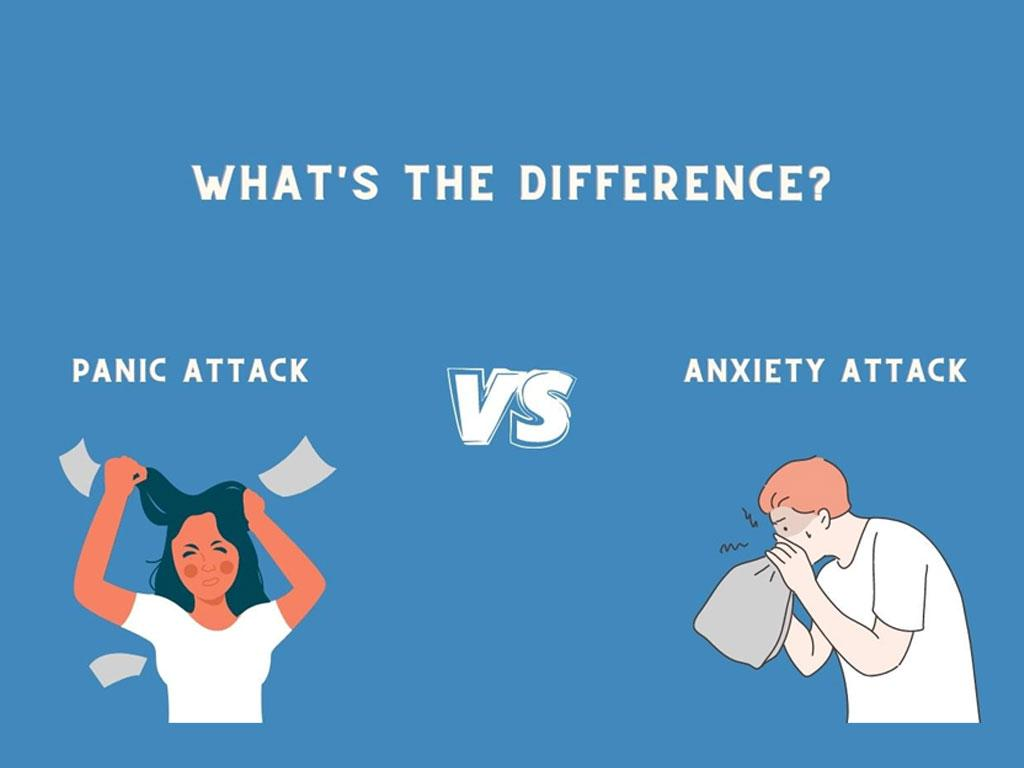
Many people use these terms interchangeably, but there are clear differences between them.
| Feature | Panic Attack | Anxiety Attack |
| Onset | Sudden and unexpected | Gradual buildup |
| Trigger | Often no clear trigger | Usually caused by stress |
| Intensity | Very intense physical symptoms | Moderate to severe anxiety |
| Duration | 10–20 minutes | Minutes to hours |
| Medical recognition | Officially recognized diagnosis | Informal term |
Experts also note that panic attacks may include feelings of unreality or fear of dying, which are less common in anxiety attacks.
Causes of Panic Attacks
The exact cause of panic attacks is still being studied, but several factors may contribute.
1. Brain Chemistry
Brain chemicals such as serotonin and cortisol can increase the risk of panic attacks when imbalanced.
2. Genetics
People with a family history of anxiety or panic disorder are more likely to experience panic attacks.
3. Trauma
Childhood trauma or stressful life events may trigger panic attacks later in life.
4. Stressful Situations
Major life changes such as job loss, divorce, or illness can also increase panic attack risk.
Causes of Anxiety Attacks
Anxiety attacks are typically linked to ongoing stress or psychological conditions.
1. Chronic Stress
Long-term stress from work, finances, or relationships can build up and trigger anxiety episodes.
2. Anxiety Disorders
Conditions such as:
- Generalized Anxiety Disorder (GAD)
- Social Anxiety Disorder
- Phobias
can increase the frequency of anxiety attacks.
3. Lifestyle Factors
Certain habits may worsen anxiety, including:
- Lack of sleep
- Excess caffeine
- Poor diet
- Lack of exercise
4. Environmental Factors
Stressful environments or traumatic experiences may also contribute.
Global Statistics on Anxiety and Panic Attacks
Mental health statistics highlight how common these conditions are worldwide.
Anxiety Disorder Statistics
- Around 301 million people globally suffer from anxiety disorders.
- Anxiety disorders are among the most common mental health conditions worldwide.
- Women are almost twice as likely as men to experience anxiety disorders.
Panic Attack Statistics
- 13%–28% of adults experience at least one panic attack in their lifetime.
- 2%–3% of people develop panic disorder, which involves repeated panic attacks.
- Panic disorder can significantly affect daily life and productivity.
Emergency Room Data
Research also shows that anxiety contributes to 30%–40% of emergency room visits for low-risk chest pain.
This highlights how strongly anxiety can affect the body physically.
Physical Effects of Panic and Anxiety Attacks
Both panic and anxiety attacks activate the body’s fight-or-flight response. This natural survival mechanism prepares the body to face danger.
During this response:
- Heart rate increases
- Breathing becomes faster
- Stress hormones are released
- Muscles tense up
Although this reaction helps humans survive threats, it can cause uncomfortable symptoms when triggered unnecessarily.
Risk Factors
Certain factors increase the chances of experiencing panic or anxiety attacks.
Common Risk Factors
- Family history of anxiety disorders
- Major life stress
- Traumatic experiences
- Chronic illness
- Substance abuse
- High caffeine intake
People with these risk factors should pay attention to early warning signs.
How to Manage Panic and Anxiety Attacks
The good news is that both panic attacks and anxiety attacks are treatable.
1. Cognitive Behavioral Therapy (CBT)
CBT is one of the most effective treatments for anxiety and panic disorders. It helps individuals change negative thinking patterns.
2. Deep Breathing
Controlled breathing can calm the nervous system and reduce symptoms.
3. Exercise
Recent research suggests short bursts of intense exercise can reduce panic attack severity.
4. Medication
Doctors may prescribe medications such as:
- Antidepressants
- Anti-anxiety drugs
- Beta blockers
5. Lifestyle Changes
Simple habits can improve mental health, including:
- Regular exercise
- Healthy sleep routines
- Balanced diet
- Limiting caffeine
When to Seek Professional Help
Occasional anxiety is normal, but professional help may be necessary if:
- Panic attacks occur frequently
- Anxiety interferes with daily life
- Symptoms cause sleep problems
- You avoid situations due to fear
Mental health professionals can provide proper diagnosis and treatment.
Final Thoughts
Panic attacks and anxiety attacks may feel similar, but they are different in intensity, duration, and triggers.
- Panic attacks are sudden, intense, and often occur without warning.
- Anxiety attacks build gradually and usually result from stress or worry.
Understanding these differences is important for recognizing symptoms and getting the right treatment. With proper therapy, lifestyle changes, and medical support, people can successfully manage both conditions and improve their quality of life.
Mental health awareness continues to grow, and recognizing the signs early can help millions of people live healthier, calmer lives.
FAQ
1. What is the main difference between a panic attack and an anxiety attack?
The main difference is how the symptoms start and how intense they are. A panic attack begins suddenly and reaches peak intensity within minutes, often without a clear trigger. An anxiety attack builds gradually and usually happens because of stress, worry, or a specific situation.
2. How long does a panic attack usually last?
Most panic attacks last 10 to 20 minutes, although some symptoms like fatigue or fear may continue for a while after the attack ends. The intense symptoms usually peak within the first few minutes.
3. Can anxiety attacks turn into panic attacks?
Yes, in some cases severe anxiety can trigger a panic attack. When stress or worry becomes overwhelming, the body may activate the fight-or-flight response, leading to sudden panic symptoms.
4. Are panic attacks dangerous?
Panic attacks are not life-threatening, but they can feel extremely frightening. Many people think they are having a heart attack during their first panic attack. However, frequent panic attacks may indicate panic disorder, which should be treated by a mental health professional.
5. What helps stop a panic or anxiety attack quickly?
Several techniques can help reduce symptoms quickly, including:
- Slow deep breathing
- Practicing grounding techniques
- Moving to a calm and quiet place
- Drinking water
- Reminding yourself that the attack will pass
Regular exercise, therapy, and healthy lifestyle habits can also help prevent future attacks.