Sleeping pills treat insomnia by making you feel relaxed and drowsy. These are sedative hypnotic medications that are available as two major categories i.e. prescription only (PO) medications e.g. benzodiazepine, non-benzodiazepine Z drugs etc and over the counter medications (OTC) e.g. antihistamine and melatonin. According to 2023 research data approximately 10% of adults suffer from insomnia and use sleep medicine
According to a research by Harvard University sleeping pills generally work by interacting with a special chemical in the human brain called GABA that regulates sleep-wake cycle. The main mode of action is by increasing the release of GABA chemical that is the brain’s primary inhibitory neurotransmitter and helps calm down the neuronal activities.
Sleeping pills come with many advantages but if not administered according to guidelines can be addictive and lethal. Most sleeping medications are prescription only, meaning they can be used only if prescribed by a medical practitioner. Most of the treatment regimes are short term to avoid dependency, withdrawal effects and addiction.
Let’s dig into the blog and know everything about sleeping pills;
What Are Sleeping Pills?
Sleeping pills are drugs that are used to induce better and prolonged sleep in patients suffering with sleep disorders. They are normally used as short term treatment of insomnia, night-time awakenings and other sleep related disorders.
Statistics show that women use more sleeping pills than men. 10% women compared to men about 7%.
Harvard Health Publishing defines sleeping pills as sedative-hypnotics that increases GABA in brain, slowing down brain activity thus inducing drowsiness and sleep.
Sleeping medicines are categorised into three groups;
- OTC – Over the counter medications e.g. antihistamine.
- POM – Prescription only medications e.g. Temazepam, Zopiclone etc.
- Natural supplements e.g. melatonin.
Sleep inducing medications are prescribed to parents who suffer with chronic sleep disorders, including;
- People with insomnia.
- Patients with stress or anxiety hindering sleep.
- Individual with jet lag.
- Patients with medical conditions that hinder sleep.
These medications are useful only for short-term treatments, most doctors prescribe them when lifestyle changes and sleep habits are not effective.
Effects of Short-term vs Long-term Use
| Short-term Use | Long-term Use |
| Medications prescribed for a few days or weeks. | Rarely prescribed for chronic insomnia. |
| Helps calm down brain activity during travelling, temporary stress or sudden sleep deprivation. | Prescribed incase of severe chronic insomnia and must be administered under strict medical supervision. |
| Lesser side effects and lower risk or dependency. | Higher risk of side effects, dependency and withdrawal symptoms. |
What Types of Sleeping Pills Are Available?
A variety of sleeping pills are available to help patients in insomnia. Sleeping pills can be categorised into three types, depending upon their duration of action and mode of action.
- Prescription sleeping pills.
- Over the counter sleeping pills.
- Natural sleep supplements.

Prescription Sleeping Pills
Here is the list of effective sleeping pills that you can get easily from MidnightBlueUK, a renowned online pharmacy in UK
| Sleeping Pills | Brand Name | Use |
| Blue Zopiclone 7.5mg | Ambien | Insomnia |
| Zopiclone 7.5mg Accord | Zopiclone Tablets | Insomnia and night-time awakenings |
| Zopiclone 10mg | Zopiclone | Insomnia and night-time awakenings |
| Nitrazepam 10mg | Nitrazepam | Insomnia |
| Temazepam 10mg | Restoril | Short term insomnia |
| Eszopiclone | Lunesta | Sleep maintenance |
Over The Counter Sleeping Pills
In many cases OTC medications are enough to treat temporary to mild insomnia. Following are the drugs:
- Diphenhydramine (Brand Name – Benadryl, ZzzQuil)
- Doxylamine (Brand Name – Unisom)
OTC medications have less side effects and lower risk of dependency and withdrawal symptoms. But these are also recommended for short-term use.
Natural Sleep Supplements
Life style changes and natural supplements can also be very useful to treat insomnia and other sleep related disorders.
Here is a list of natural supplements;
- Melatonin
- Valerian root
- Magnesium
- L-theanine
- Chamomile
How Do Sleeping Pills Work?
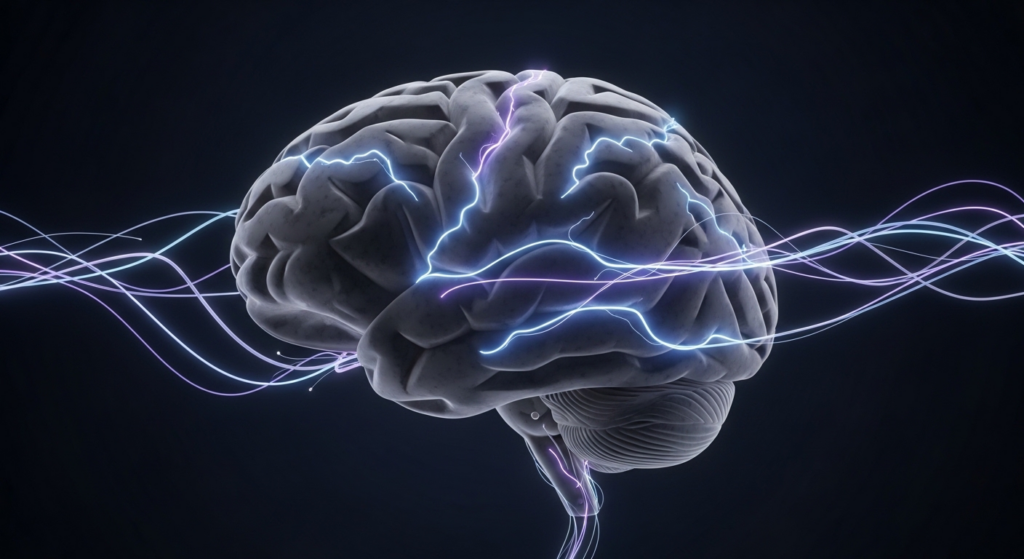
Sleeping pills are sedative that increases the GABA chemicals in brain that is a neurotransmitter inhibitory chemical to keep the nerves calm, induce sedation and also regulates the body’s internal clock. All these together helps the patient feel faster, longer and uninterrupted.
How They Effect the Brain and Sleep Cycle
All the three categories of sleeping pills and supplements have slightly different way to calm the brain and nervous system but eventually they all induce sleep.
Here are three basic mode of actions;
- GABA Stimulation
- Circadian Rhythm Regulation
- Sedative Effects
GABA Stimulation:
Medicines like Zolpidem, Eszopiclone, Temazepam, Nitrazepam and many other benzodiazepines, non-benzodiazepine and Z drugs effcet GABA chemical of brain. Its a natural brain chemical that slows down the nerve signals and induce relaxation.
Circadian Rhythm Regulation:
There are sleeping tablets like melatonin and ramelteon that assist in adjusting the normal sleep-wake cycle of the body known as the Circadian Rhythm.
This internal clock informs the body when it has to be sleepy and when to wake up.
Over the counter drugs such as Melatonin imitate the hormone that is secreted at night.
They give the brain signals that it is time to sleep and this comes in handy during jet lag or that of an odd sleeping schedule.
Sedative Effects
Pills like Doxepin, Diphenhydramine induce sedative effects in body making it drowsy and relaxed thus helping patients sleep faster and longer at night.
How Long Does Sleeping Pills Take to Work?
The sleeping pills normally take between 15 to 60 minutes, which is based on the medication and the processing of that medication by a person. The majority of sleep drugs are administered a few hours before sleep so that the drug starts acting before the patient is about to fall asleep. Taking them too early will result in unnecessary drowsiness, and taking them too late will minimize their effectiveness at night.
Physicians usually advise the use of sleep drugs 20-30 times before going to sleep. The time of effect may differ depending on dosage, metabolic rate, age, and food intake with the medicine. There are few drugs that fall into the category of fast acting ones that helps people to sleep faster and others that fall into the category of slow acting that assist people to stay asleep throughout the night.
Below is the table of common sleeping pills and their onset time;
| Sleeping Pills | Typical Onset Time | Actions |
| Zolpidem | 15 to 30 minutes | Fast acting prescription sleeping pills |
| Eszopiclone | 30 minutes | Induce sleep faster and longer |
| Zaleplon | 15 to 30 minutes | Fast onset, short duration |
| Temazepam | 30 to 60 minutes | Benzodiazepine sedative |
| Triazolam | 15 to 30 minutes | Short acting Benzodiazepines |
| Doxepin | 30 to 60 minutes | Induce and maintain sleep |
| Ramelteon | 30 minutes | Stimulate melatonin receptors |
| Melatonin | 20 – 60 minutes | Natural Hormone Supplements |
| Diphenhydramine | 15 – 60 minutes | OTC – Antihistamine |
| Doxylamine | 30 – 60 minutes | OTC – Antihistamine |
Sleeping pills are very effective when taken regularly at fix time schedule incombination with healthy sleeping habits.
What Are the Benefits of Sleeping Pills?
The primary benefit of sleeping pills is that they induce drowsiness and helps you fall asleep or reduces nighttime awakenings. These pills improve sleeping habits and reduces the episodes of day time drowsiness and brain fog.
Medical practitioners usually prescribe it for short-term treatments of insomnia, stress related sleep disorders or travel related sleep disturbances.
Key benefits include;
- Induce Sleep Faster
- Helps Longer Sleep
- Short-term Relief from Insomnia
- Ease Jet-lag
- Calm the CNS and quieten the brain
- Relaxed muscles
Induce Sleep Faster:
Sleeping pills reduces the amount of time one takes before falling asleep. The drugs like Zolpidem and Zaleplon are fast acting and helps to relax the brain enabling the person to fall asleep faster
Helps Longer Sleep:
Certain sleeping drugs assist in keeping one asleep during the night. Medications such as Eszopiclone and Temazepam assist in an extended and continuous sleep as well as minimizing frequent night awakenings.
Short-term Relief from Insomnia:
Sleeping pills are prescribed by doctors to deal with temporary Insomnia that is caused by stress, disease or by changes in lifestyle. They offer a short-term solution meanwhile the problem behind it is addressed.
Ease Jet-lag:
Crossing the time zone may disrupt the internal clock of the body. Such supplements as Melatonin contribute to the regulation of the Circadian Rhythm of the body and easier adaptation to the new sleeping program.
These benefits can only be seen when sleeping aids are taken for short-term period only, as taking them on a regular base for long term can induce lethal side effects.
What Are Side Effects /Risks of Sleeping Pill?
Sleeping pills have side effects like most medicines. Some side effects are mild while some are serious depending upon patients medical condition.
Common Side Effects
Most of people experience mild side effects, that are:
- Daytime Drowsiness
- Dizziness
- Headache
- Dry mouth
- Brain fog and confusion
- Memory problems
Side effects are commonly seen the next day.
Serious Side Effects
Sleeping pills can lead to more severe issues in exceptional situations.
There are individuals who get abnormal behaviors at sleep. Such behaviors can be sleepwalking, sleep eating or even feeling sleepy while driving.
There are other severe effects that might occur such as confusion, severe allergic reactions, or breathing difficulties.
In case any kind of abnormal symptoms are observed, one should seek medical attention.
Are Sleeping Pills Safe to Use Every Night?
Doctors do not advise taking sleeping pills for a long term basis. These drugs are normally used for a short term treatment.
With time, some sleep drugs may be tolerated in the body. This means that the drug will no longer be effective and it will require more quantity of drugs to achieve the same effect.
Continuous use can also predispose to dependence, that is, the body develops the habit of depending on the drug to sleep.
It is because of such reasons that it is common that physicians advice to take sleeping pills only when required and within the shortest time.
Can Sleeping Pills be Addictive?
Yes, most prescription sleeping pills especially benzodiazepine can be addictive if taken for a longer time than prescribed or taken in excess doses.
When the patient takes drug for longer durations that body becomes dependent upon it, meaning the person will only sleep when he will take the medicine.
In several cases upon withdrawing the drug many withdrawal symptoms may also occur.
Following are the signs of dependence:
- Difficulty in sleeping without medication.
- Cravings for the drug.
- You might need a higher dose to achieve the desired results.
To avoid dependency doctors prescribe sleep medication for short-term and ensure strict medical supervision.
What Happens If You Stop Taking Sleeping Pills?
Rebound insomnia. Sleeping pills are controlled medicines that need to be tapered off gradually to avoid withdrawal effects. In case a patient stop taking the drug immediately he might suffer with rebound insomnia.
Rebound insomnia is a condition in which sleep problems return or become worse than before for a short time after stopping the medication.
Some patients also experience symptoms like;
- Anxiety
- Restlessness
- Irritability
- Difficulty concentrating
Doctors recommend to slowly reduce the drug potency and this process is called tampering off.
Who Should Avoid Sleeping Pills?
Sleeping medicines are not effective for everyone, medical practitioners keep lot of factors in mind before prescribing the pills.
Here are people who should avoid using sleeping pills unless prescribed by doctors;
- Elderly people
- Pregnant women
- People with sleep apnea
- Alcohol addicts or people with a history of substance abuse.
- If a patient is already taking other sedatives or opioids.
Elderly People: Sleep medicines pose risk of sudden fall and memory problems.
Pregnant Women: Sleeping Medicines are not safe for the growing fetus, as it can cross the blood placental barrier and can cause abnormalities in fetus.
Sleep Apnea Patients: As these medications slows down the brain activity, they also have slowing effects on lungs. So those suffering with sleep apnea should avoid taking such medication.
Addiction Patients: If the patient has alcohol addiction or any other substance addiction taking sleep medication can increase the effects of alcohol and drug thus becoming lethal.
Do Sleeping Pills Interact with Food or Medications?
Yes, these medications can interact with many other medications or food thus reducing the effect of sleeping pills, or increasing the side effects and becoming less safe.
One of the most dangerous substance to interact with sleeping pills is alcohol, as both slows down brain activity. Taking them together can cause extreme drowsiness or breathing problems.
Other medications that may interact with other medications are:
- Antidepressants
- Anxiety medications
- Pain medications
- Antihistamines
- Muscle relaxants
Patients should always inform their doctor about other medications they are using before asking for sleeping medications.
Conclusions
In a nutshell, sleeping pills are an effective way to induce sleep in insomnia patients, keeping in mind it has many side effects. So only short term treatment is effective, meanwhile its preferred to regulate the sleep cycle with a healthy lifestyle, staying stress free and exercise daily.
Medications like Zolpidem, Eszopiclone,Temazepam etc and other non-benzodiazepines drugs can be taken to ease sleep difficulties.
You can get all these sleeping aids conveniently from UK top online pharmacy MidnightBlueUK.
FAQ
What are the common risks of taking sleeping pills?
The prolonged drowsiness, especially when you take the drugs to make you sleep. Severe allergic reaction. Gross behavioral parameters like driving or eating whilst not at their full wakefulness. The changes in behavior and thinking include hallucinations, agitation, inability to recall events, suicidal thoughts and bizarre behaviors.
Is it safe to take sleeping pills? Are they effective?
Sleeping pills are safest and best when taken for a short period of time together with a change of lifestyle. Studies indicate that lifestyle and behaviour change is the most appropriate long-term option ensuring that you get to sleep well. Sleeping pills are associated with side effects, e.g., daytime drowsiness and nausea.
What happens if you take multiple medications at once?
Dangers of Multiple Drug Therapy.
Since the majority of medicines have side effects, the more medicines one takes the higher the chances of experiencing side effects. Falls may also be predisposed by taking some medicines. Drug interactions are more likely to occur.
Do sleeping pills have a bad effect on the brain?
The prolonged use of sleeping pills produces effects on the brain functioning, alters the nature of sleep and results in sleeping pill dependency, drug toleration, and other side effects, such as: Risk of dementia, especially in the elderly. Impaired memory, brain atrophy, Alzheimer Disease.
Is it okay if I take sleeping pills every night?
No, sleeping pills are recommended for short-term use only. Taking them for longer periods may cause dependency,withdrawal effects or even addiction.