Prescription sleeping pills are hypnotic-sedative medications used for short-term relief of insomnia. These medications require a doctor’s prescription due to risk of dependence or addiction.
Common types include benzodiazepines (Temazepam, Triazolam), anti-depressants and Z-drugs (Zopiclone, Zolpidem). These help in inducing longer sleep and reduce nighttime awakenings but they show grogginess the next day.
Your doctor will decide what treatment regime is right for you to treat or at least reduce the intensity of your insomnia.
The perfect sleeping pill dose and intensity depends on whether you need help;
- Falling asleep
- Staying asleep
- To manage short-term jet lag
If insomnia is not chronic then OTC medications are commonly used like melatonin or antihistamine (Diphenhydramine, Doxylamine). For chronic insomnia prescription medications like non-benzodiazepine (Z-drugs) are used as they have less side effects and show lesser withdrawal effects.
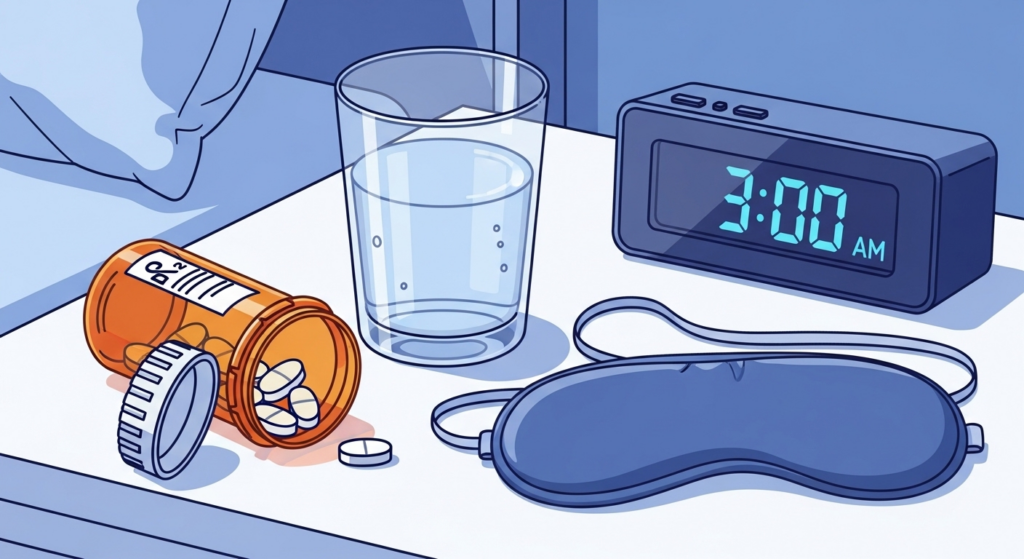
Keeping the side effects of sleeping pills it’s better to adopt behavioral changes learned through cognitive behavioral therapy. But if someone still suffers insomnia, night-time awakenings or interrupted sleep then sleeping pills are prescribed depending on patients age, medical condition and history of substance abuse etc.
Let’s dig in and learn more about prescription sleeping pills and what right for you;
Types of Prescription Sleeping Pills
Prescription sleeping pills help fall asleep easier, faster, sleep longer or both. There may be a difference in risks and benefits of different prescription sleeping pills. In order to identify the correct prescription medication that will help you sleep, your health care provider should normally:
- Ask questions to have a clear view of your sleep patterns.
- Take some tests to exclude the possibility of an underlying condition that is contributing to difficulty in sleeping.
- Talk about the possibilities to take prescription sleeping medicine, how often and at what time to take it and in what form pills, oral spray or dissolving tablets.
- Use sleeping pills only over a short time to evaluate the benefits and side effects for you.
- Did you take another prescription sleeping pill when the initial drug you take fails even after the course is completed?
- Assist you in knowing whether there is a generic medicine, which is usually cheaper compared to brand-name medicine.
The insurance companies can also limit the sleeping pills that they cover. And they might have to ask you to try other methods first to attempt to cope with your insomnia.
The prescription sleep medicine options include the following;
| Sleep Medications | Helps Fallings Asleep Faster | Reduce Night-time Awakenings | Risk of Dependency |
| Zolpidem XR (Ambien CR) | ✔️ | ✔️ | ✔️ |
| Zolpidem (Ambien, Zolpimist) | ✔️ | ✔️ | ✔️ |
| Zaleplon (Sonata) | ✔️ | ✔️ | |
| Triazolam (Halcion) | ✔️ | ✔️ | |
| Temazepam (Restoril) | ✔️ | ✔️ | ✔️ |
| Suvorexant (Belsomra) | ✔️ | ✔️ | ✔️ |
| Ramelteon (Rozerem) | ✔️ | ||
| Lemborexant (Dayvigo) | ✔️ | ✔️ | ✔️ |
| Eszopiclone (Lunesta) | ✔️ | ✔️ | ✔️ |
| Doxepin (Silenor) | ✔️ | ||
| Daridorexant (Brand name: Quviviq) | ✔️ | ✔️ | ✔️ |
What Are Side Effects of Sleeping Pills?
Before making a decision on what sleeping pills to take, always take suggestions from your health care provider about the possible side effects of the prescribed drug. Side effects of prescription sleeping pills can be:
- Feeling of being lightheaded or dizzy that can result in falls.
- Headache.
- Severe allergic reaction.
- Sleep disorders.
- Sleeping behaviors like driving or eating whilst not fully awake.
- Alterations in cognition and behavior hallucinations, agitation, inability to recall events, suicide ideation and bizarre behavior.
- Problems with daytime memory and performance.
Are Antidepressants Right for Insomnia?
There are cases where use of prescription drugs that are predominantly used in depression treatment might alleviate insomnia when given in lowered doses. They are unapproved in insomnia by the U.S. Food and Drug Administration (FDA) though they are widely used.
These antidepressants can be used when there is insomnia that is caused by depression or anxiety.
Examples include:
- Amitriptyline
- Mirtazapine (Remeron)
- Trazodone FDA Source
What Are Side Effects of Anti-depressants Used for Insomnia?
Anti-depressants are not ideally used for insomnia according to the guidelines of FDA. But in few cases depression induced insomnia can be treated with anti-depressants, but they have side effects like;
- Headache
- Dizziness
- Light headedness
- Nausea
- Dry mouth
- Arrhythmia
- Weight fluctuations
- Day time memory problems
- Diarrhea or constipation
- Suicidal thoughts
Who Should Not Use Sleeping Pills?
These include prescription sleeping pills (and even some over-the-counter sleeping aides) and some antidepressants, which are not safe during:
- Pregnancy.
- Breastfeeding or
- Elderly patients.
The use of sleeping pills can cause a risk of night falls and trauma among older people. As an older adult, your health care provider can have a lower dose of medicine prescribed to decrease your chances of side effects.
Certain health issues can restrict your choices, such as kidney disease, low blood pressure, heart rhythm disorder or a history of seizures. The prescription sleeping pills and over-the-counter sleeping aids can also be interacted with other drugs. And when you use some prescription sleeping pills, you may become dependent on the drug or get drug addiction, so it is better to listen to your health care provider.
What’s The Right Sleeping Pills for You?
Choosing the right sleeping pills depends on many factors like what type of insomnia your are suffering from, either the patient needs short-term treatments or can be treated with OTC pills. You age, previous medical history, pregnancy etc also effects the type and dose of medicine you can use to treat insomnia.

Here are few tips to use sleeping medicines safely:
Get A Medical Checkup: Sleeping pills are controlled drugs that can have mild to severe side effects. So it’s mandatory you get a medical advice before taking any medication.
Read the Medication Guidelines: Self awareness is mandatory to keep you safe from severe side effects. Its highly recommended to read the guidelines before taking the pills. In case of any confusion as your pharmacist or doctor.
Take Sleeping Pills Before Going to Bed Only: It’s mandatory to take sleeping pills before going to bed and ensure you get 7 to 8 hours of uninterrupted sleep. If you don’t sleep or have disturbed sleep you might suffer with brain fog, immediate falls.
Keep A Check on Side Effects: In case you are tired or feeling dizzy during the day or otherwise experience any other side effects that may be troubling to you, then discuss with your health care provider. Your provider might recommend the trial of another drug, or altering your dose or pill withdrawal. Never take a new sleeping drug the evening before a big activity as you will not know the reaction of the drug.
Buy Sleeping Pills Online in UK – MidnightBlueUK
You can buy any type of sleeping pills online from UK’s renowned and licensed online pharmacy MidnightBlueUK.
They provide customer services 24/7, you can also have a discussion with pharmacists or doctors.
Conclusion
In a nutshell, sleeping pills are very effective for short-term treatment of insomnia, but they have mild to severe side effects. It’s mandatory to follow guidelines while taking any type of sleeping pills.
Now you can buy a variety of sleeping pills online from the comfort of your home at MidnightBlueUK.
Buy now! If you feel your insomnia is affecting your health.
FAQ
Which prescription sleeping pills is good?
Generally OTC or non-benzodiazepine (Z-drugs) sleeping pills are considered good, as they have lesser side effects. Sleeping pills can be less dangerous if you follow the proper guidelines.
Which sleeping pill is best for dementia?
Melatonin is more likely to be prescribed to individuals with dementia because the use of clonazepam may aggravate other dementia symptoms and places the individual in a daytime drowsy state. It can also cause the risk of falling or sleep apnea. In cases where these two drugs do not help the symptoms, other drugs can be used.
Which sleeping pills work fast?
Z-drugs or Non-benzodiazepine (Non-BZD) are rapid acting sleeping pills, which work 30 seconds after consumption and act over a period of up to 8 hours. They do not leave you groggy in the morning or lightheaded, they induce sleepiness, alleviate anxiety and enable you to sleep well without feeling sleepy.
Which sleeping pill is best to take for long term?
Suvorexant is a more recent drug that prevents chemicals in your brain that make you keep awake. It may be helpful in case you wake up in the middle of the night and cannot go to sleep again. Suvorexant is associated with a longer duration of stay than other prescription sleeping pills.
Is there any safe sleeping tablet for elderly people?
The pharmacologic treatment of older adults incorporates low-dose doxepin, melatonin, ramelteon, and the dual orexin receptor antagonists. A trained doctor is able to help patients in balancing the dangers and advantages of drugs and behavior change.